

Global Need for Wildlife, Forest, and Environmental Conservation
- Biodiversity Preservation:

- Biodiversity is essential for ecosystem resilience and the provision of ecosystem services such as pollination, water purification, and soil fertility. Protecting wildlife and their habitats helps maintain genetic diversity, which is crucial for adaptation to changing environments.
- Climate Regulation:
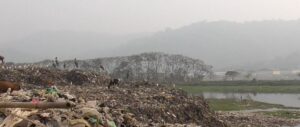
- Forests act as carbon sinks, absorbing CO2 and helping mitigate climate change. The destruction of forests leads to increased greenhouse gas emissions, exacerbating global warming and its associated impacts, such as extreme weather events.
- Ecosystem Services:

- Healthy ecosystems provide vital services that support human life, including clean air and water, food production, and disease regulation. Wildlife plays a role in these processes, such as through seed dispersal and pest control.
- Cultural and Economic Value:
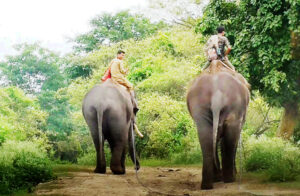
- Many cultures have deep connections with wildlife and forests, which are sources of inspiration, spirituality, and identity. Economically, conservation can support sustainable tourism, agriculture, and fishing practices that benefit local communities.
- Threats to Biodiversity:
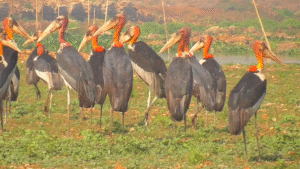
- Global threats such as habitat loss, pollution, climate change, and poaching are leading to unprecedented rates of species extinction. Conservation efforts are vital to halt these trends and restore balance in ecosystems.
Conclusion
The need for wildlife, forest, and environmental conservation is evident on both a global scale and within specific regions like Assam. By recognizing the interconnectedness of ecosystems and the human reliance on natural resources, we can develop and implement strategies that promote sustainable practices and protect our planet’s rich biodiversity for future generations. Collaborative efforts involving governments, NGOs, local communities, and international organizations are essential to address the challenges we face in conservation
Conservation Needs in Assam, India
Assam is rich in biodiversity, home to unique ecosystems and a variety of wildlife species. However, it faces significant environmental challenges:
- Biodiversity Hotspot:
- Assam is part of the Eastern Himalayas, a biodiversity hotspot. It hosts a range of ecosystems, from wetlands to grasslands, and is home to iconic species like the Indian rhinoceros, Bengal tiger, and several species of birds, reptiles, and plants.
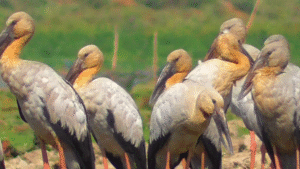
- Assam is part of the Eastern Himalayas, a biodiversity hotspot. It hosts a range of ecosystems, from wetlands to grasslands, and is home to iconic species like the Indian rhinoceros, Bengal tiger, and several species of birds, reptiles, and plants.
- Threats to Wildlife:
- Assam’s wildlife is threatened by habitat loss due to agriculture, deforestation, and urbanization. Poaching and human-wildlife conflict also pose significant risks, particularly for endangered species.
- Forest Degradation:
- Illegal logging and encroachment for agriculture are major issues leading to forest degradation. This not only affects wildlife habitats but also disrupts local communities that depend on forests for their livelihoods.
- Flooding and Climate Change:
- The Brahmaputra River basin is prone to seasonal flooding, which can devastate both human settlements and wildlife habitats. Climate change is expected to exacerbate these conditions, impacting ecosystems and biodiversity.
- Conservation Initiatives:
- Assam has several national parks and wildlife sanctuaries, such as Kaziranga National Park and Manas National Park, which are vital for conservation efforts. Community-based conservation initiatives and awareness programs are essential to involve local populations in protecting their natural heritage.
- Sustainable Practices:
- Promoting sustainable agriculture, ecotourism, and forest management can help balance economic development with conservation goals. Engaging indigenous and local communities in these practices is crucial for their success.